
The Foods and Trends Behind the Year of the Horse
This month marks the start of the Lunar New Year. On February 17, we enter the Year of the Horse…or Fire Horse, specifically, and begin a 16-day long festival for the over 2 billion people who celebrate worldwide.
So, what does the Year of the Fire Horse suggest? That 2026 will be a year of action, energy, and movement – a “doing year,” where fire illuminates truth, sparking and accelerating innovation. The overall spirit is about blazing a trail and taking bold risks – with speed.
Sounds good to us.
With the U.S. Asian population having more than doubled since 2000, to over 25 million, the Year of the Horse observance is most prevalent in states with large Asian populations, like Washington, California, Texas, New York, and New Jersey.
But in a world more globally connected, exposure to culturally significant celebrations has increased. Today, we note growing, mainstream interest in events like Dia de los Muertos, Diwali, and of course, Lunar New Year. In fact, U.S. social listening demonstrates an increase in all three holidays, with Lunar New Year exhibiting the fastest growth.
| Celebration | Social Discussion | Menu Mentions | Recipe Posts |
| Dia de los Muertos | -6% | +22% | +1% |
| Diwali | +6% | +3% | +3% |
| Lunar New Year | +11% | +52% | -8% |
Source: Tastewise
The top foods most mentioned (and growing) in Lunar New Year posts?
- Turnip cake +37%
- Peking duck +38%
- Pot stickers +26%
- Sticky rice +41%
- Bao buns +1%
- Spring rolls +78%
- Hotpot +3%
- Fried noodles +33%
- Kung pao chicken +74%
- Egg rolls +16%
- Banh mi +4%
- Stir fry +52%
As you can see, the above foods reflect a variety of regional, Asian cuisine. It’s important to note that while regions may have distinct traditions or meals, they are united across three pillars during the festival: family reunion (and its corresponding feast), cleaning and decorating (to rid the home of bad luck and welcome the good), and giving money to children and elders via the traditional red envelope.
Here are a few examples of the differences:
| Population | Spirit | Tradition | Food | Holiday Name and Phrases |
| Chinese | Loud & bright (firecrackers, lion dances, intense red) | Watching the CMG New Year’s gala together | Dumplings, sticky rice cake, and fish | Chūnjié (春节), or Spring Festival. Cantonese 恭喜发财 gong hei fat choy (wishing you prosperity and good fortune) Mandarin 新年快乐 xīn nián kuài lè (Happy Chinese New Year) |
| Vietnamese | Floral and serene (yellow apricot and peach blossoms) | Visiting temples and considering the first person to enter your house after midnight determines your luck for the year | Square sticky rice cake with mung bean and pork, wrapped in banana leaves | Tết or Tết Nguyên Đán. “Chúc mừng năm mới!” (Happy New Year!) “Vạn sự như ý” (May all things go favorably) |
| Korean | Traditional and respectful | A formal bow to elders while wearing traditional clothing (Hanbok), followed by receiving “blessing money” | Tteokguk (sliced rice cake soup), galbi jjim (braised short ribs), mandu (dumplings) | Seollal (설날) 새해 복 많이 받으세요 (Saehae bok mani badeuseyo) |
| Filipino | Chinese and Filipino fusion | The preparation of 12 fruits to represent prosperity for each month of the coming year | Sticky rice cake, often sliced, dipped in egg, and fried | The Tsinoy Lunar New Year 恭喜發財 Kong Hei Fat Choy is the Cantonese phrase used commonly in stores/sales. 恭喜新年 Kiong Hee Sin Ni or 恭喜發財 Kiong Hee Huat Tsai are the Hokkien (language) versions of Kong Hei Fat Choy used in that community |
Source: Google Gemini AI
Now let’s look at how food-oriented brands are participating in the festival, by way of LTOs.
Aside from the obvious use of red (symbolizing luck, happiness, prosperity…and fire), there is a distinct lean into “energy and motion” – particularly horses in motion. We note horses in mid-gallop, manes flowing in the wind, tails lifted, or in a stance that signifies they are about to advance.
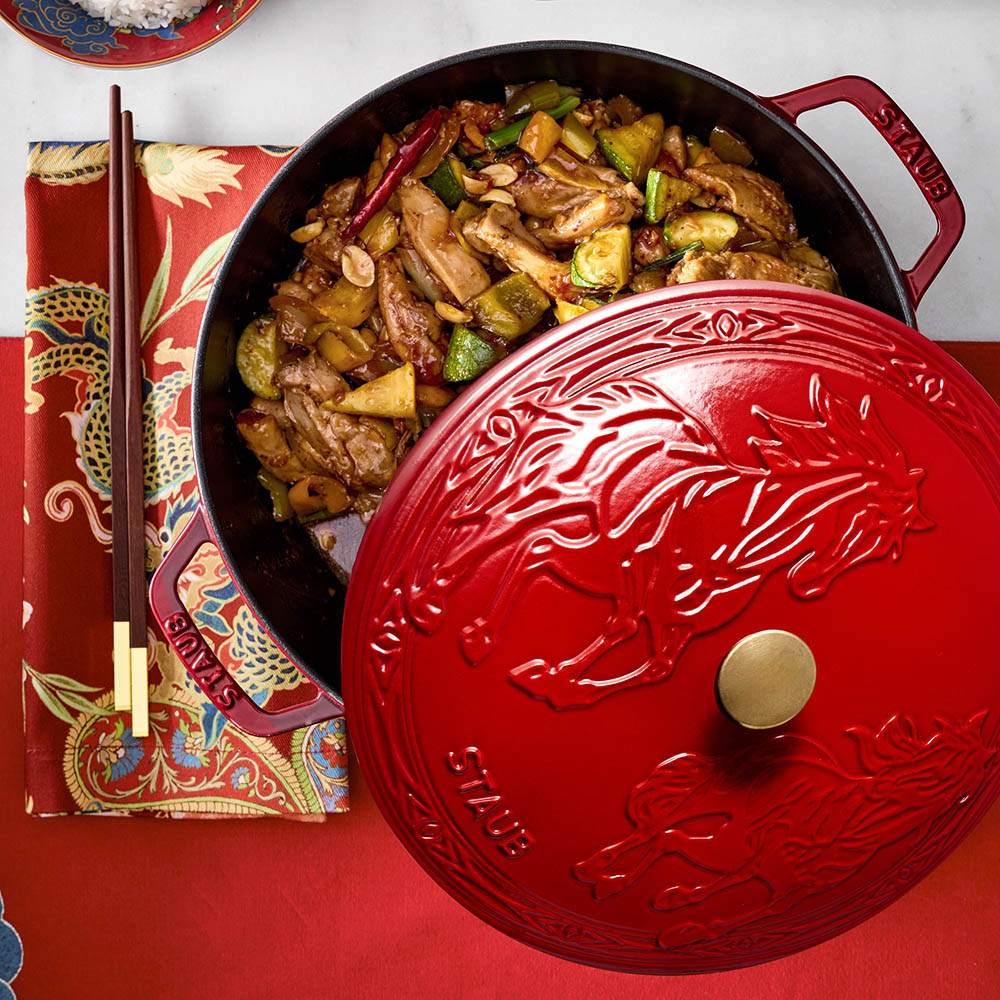
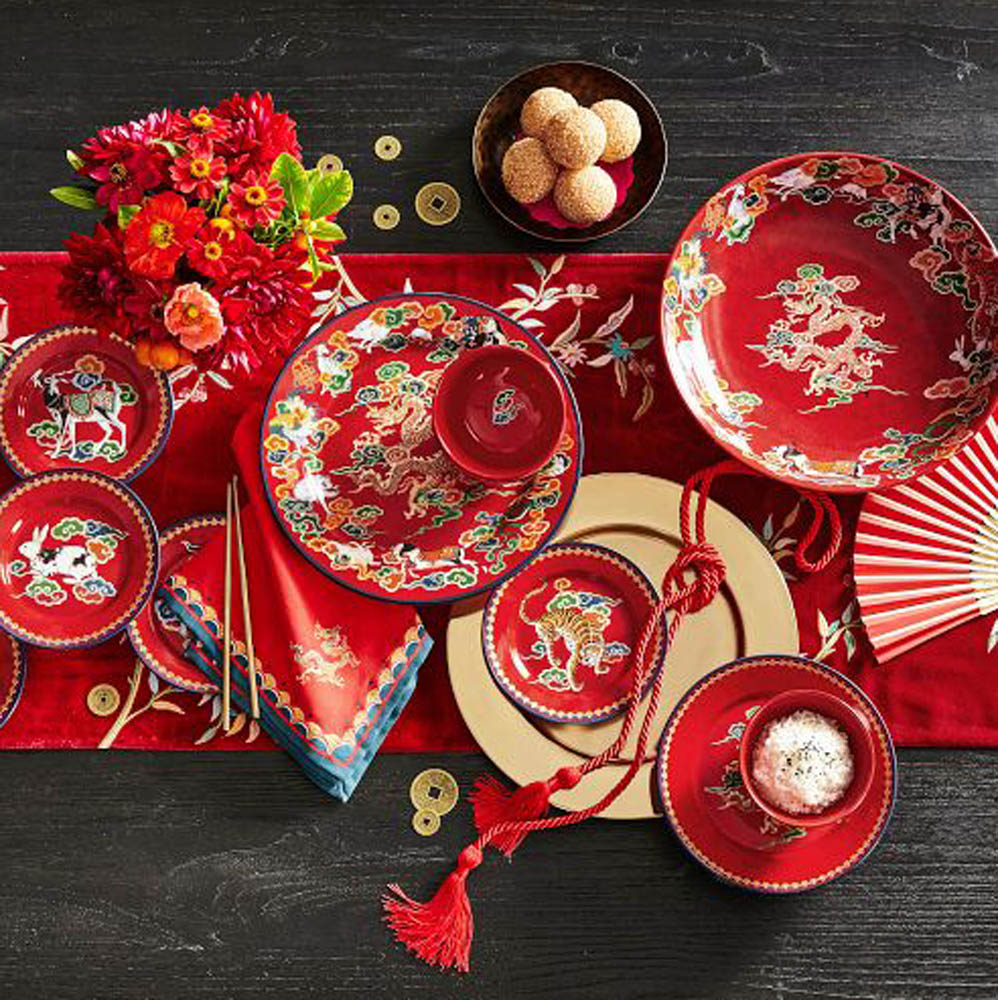
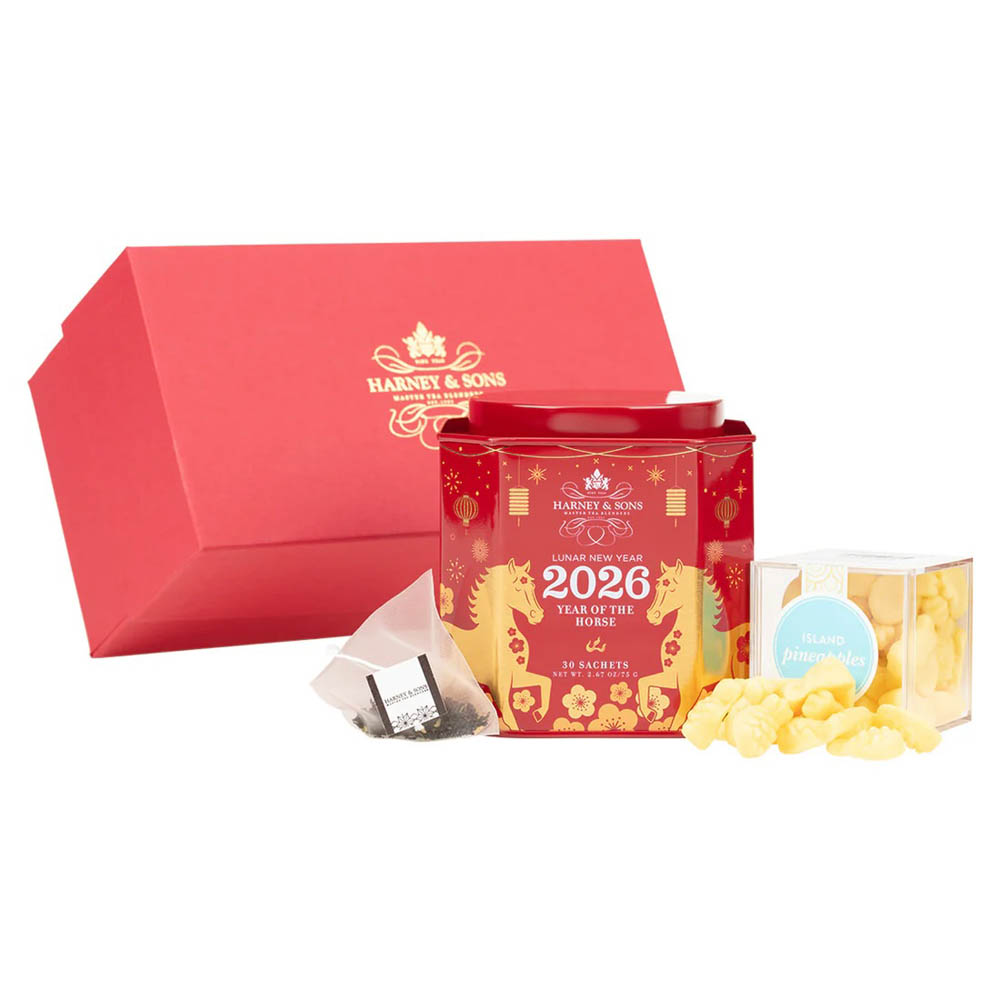
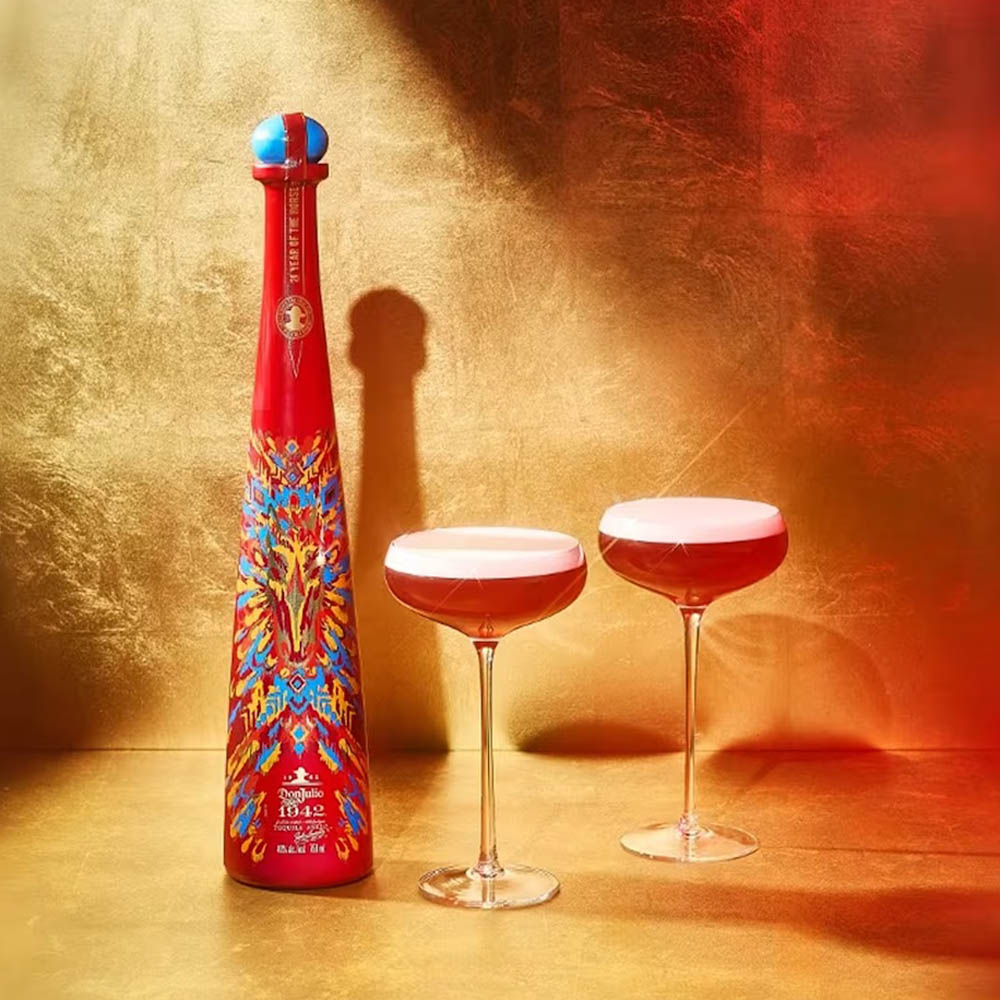
Don Julio: Year of the Horse bottle merging traditional, Mexican ikat rebozo patterns and the Chinese zodiac horse – and tie to the brand’s birth in 1942 – also a Year of the Horse
Image Credit: Don Julio
We also see special menus.
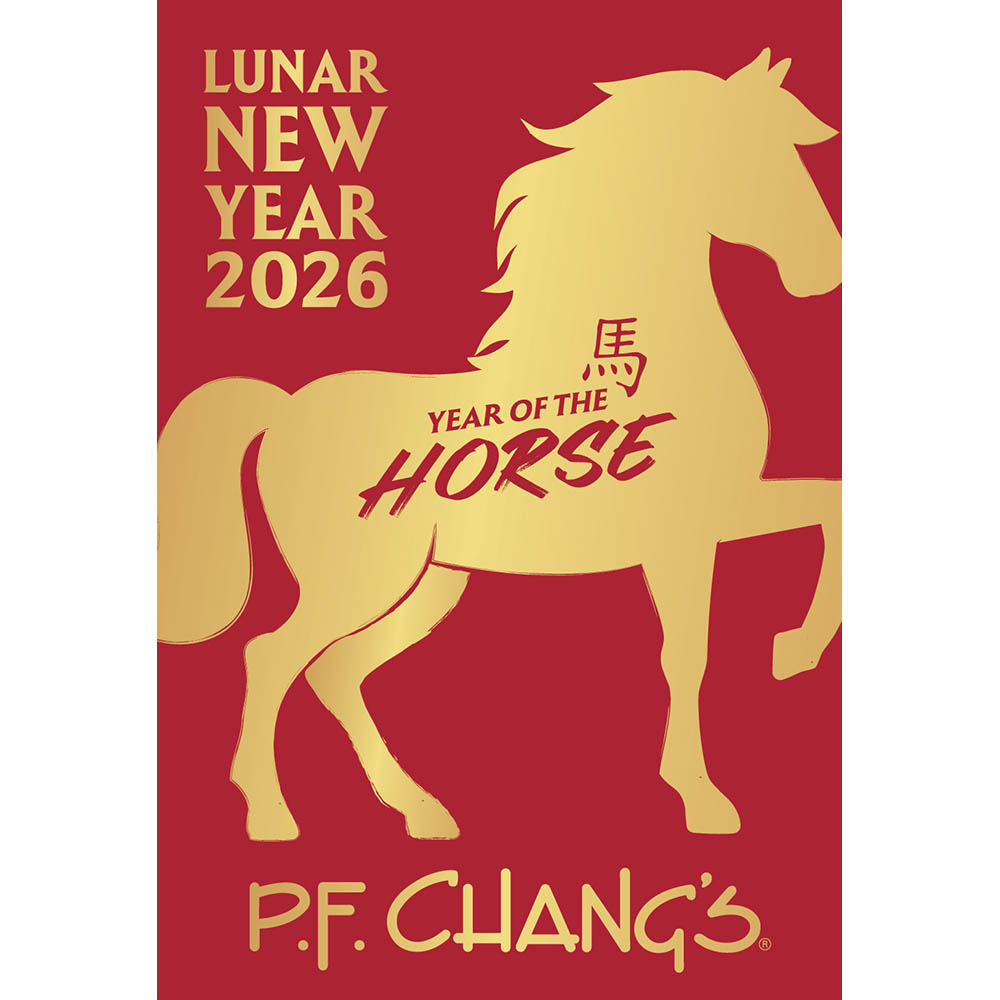
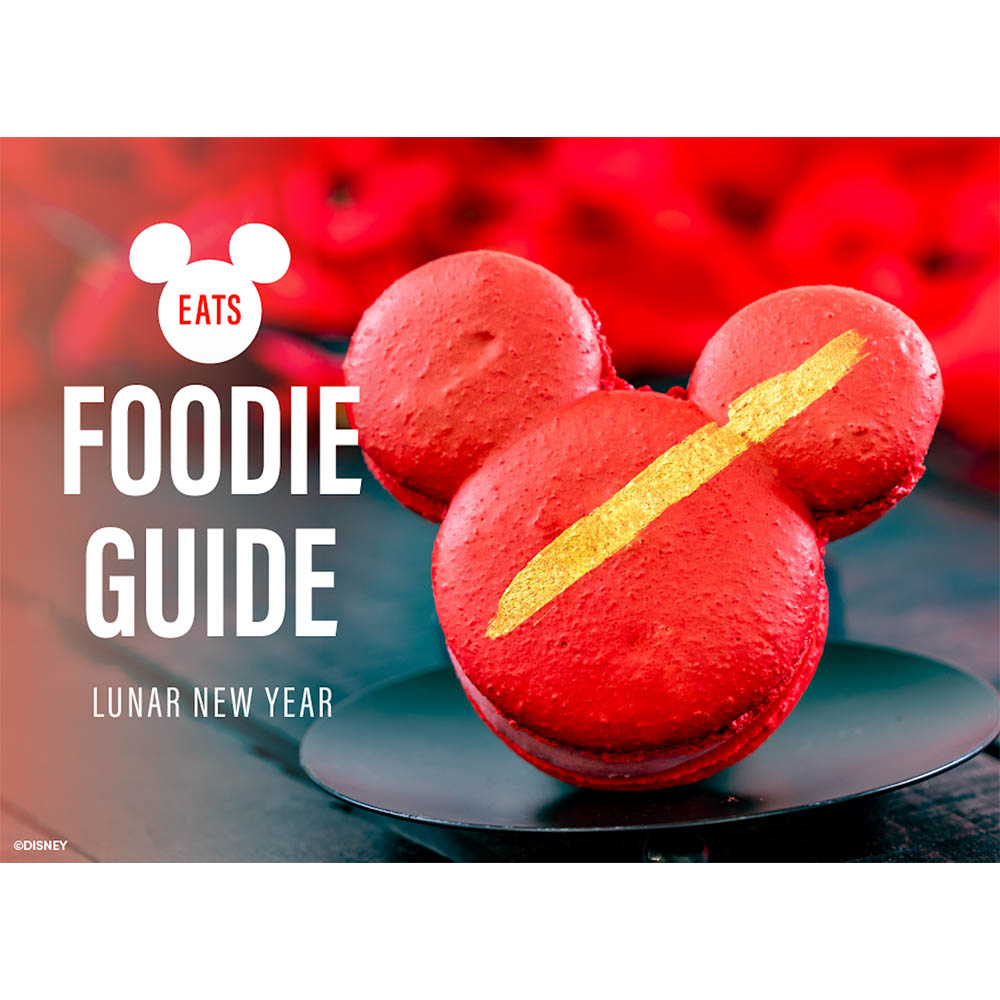
Disney Parks: An LTO park menu, featuring Five-Spice Popcorn Chicken, Japchae Noodles, Spicy Pork Belly Grilled Cheese, Quesabirria Eggroll, Pho Dip, Taro Vietnamese Cold Brew, Strawberry Milk Tea Macaron, Chocolate Firecracker, and Year-of-the-Horse inspired cocktails, etc.
Image Credit: Disney Parks Blog
And a quick peek outside of food provides a few more.
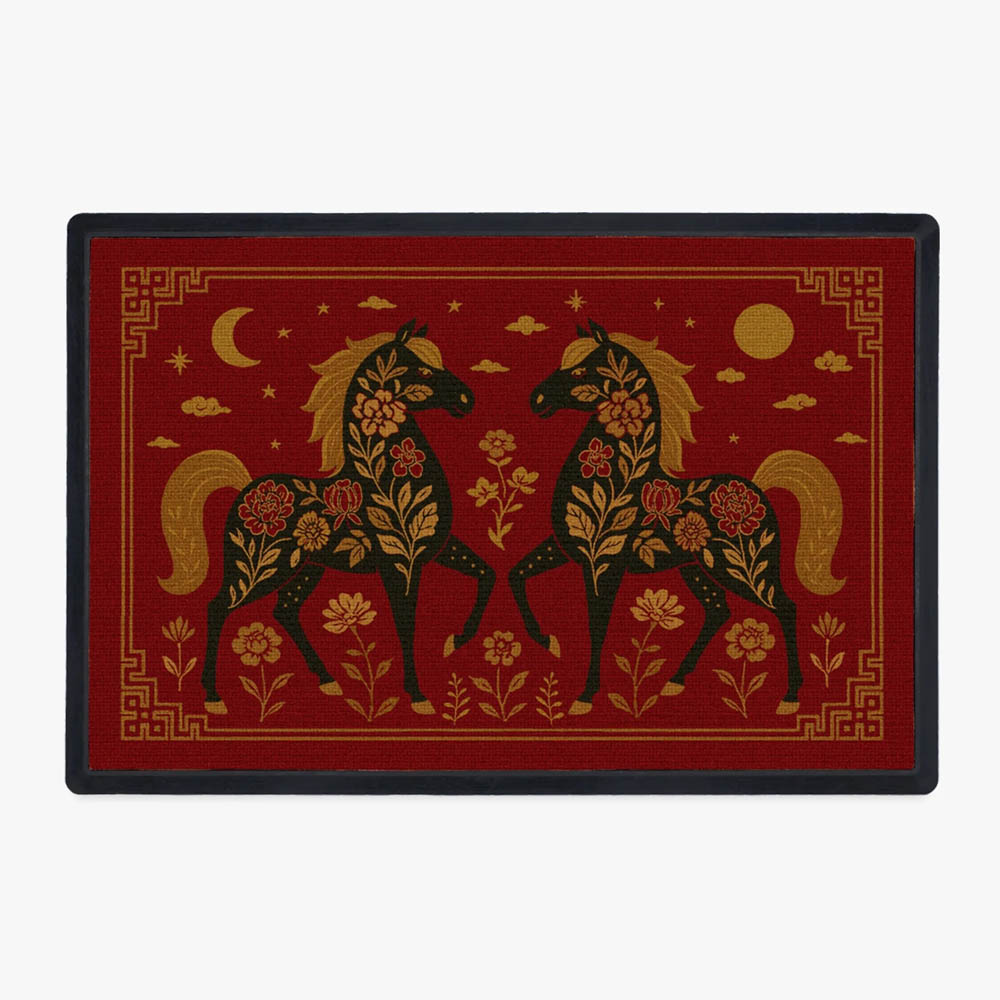

At least visually, the above examples suggest that Lunar New Year marketing has finally moved past the highly predictable “Red Envelope” promotions, and though quite beautiful and arresting, has not yet pushed beyond zodiac animals and red backgrounds. To stimulate your thinking for next year, we suggest considering collaborations with Asian American creators, chefs, or artists, and capturing the overall spirit of “reunion” during the festival – fostering connection over food, drink and shared experiences.
In 2027, we will welcome the Year of the Goat – a Fire Goat, actually – with a shift toward artistry, peace, and healing. A gentler energy. If Fire Horse conjures the speed and high energy of a “wildfire”, the Fire Goat is akin to a “hearth fire” – a warm, simmering vibe. Think craftsmanship, curated packaging, slow food, and wellness.
Katherine Plueger
Vice President, Strategy & Insights at JT Mega
Katherine Plueger conducts category, competitive and consumer research to develop the actionable insights that lead to better strategy for our clients.